[MODULAR GREEN HYDROGEN PLATFORM]

Bankable without subsidies.
With them, the case flies.

INVESTOR PITCH
INVESTOR PITCH
RUDIAE PROJECT
RUDIAE PROJECT

Swiss-based platform building modular green hydrogen plants at industrial sites in Southern Italy.

[MARKET REALITY]

Why most green hydrogen projects fail.

Over 29 GW of EU green hydrogen capacity was cancelled or stalled by end-2024. The pattern behind the failures is structural, not bad luck. Equico is built around what these projects got wrong.

  • Demand built on policy targets, not buyers.
    Most projects were sized to match EU 2030 targets, not to identified industrial offtakers willing to pay. When the demand never materialized at the assumed price, projects stalled.

    Equico starts with the offtaker, not with capacity targets.

  • Power costs above the viability line.
    Industrial buyers will not sign above €5.50–6.00/kg. Projects with grid power at €60/MWh or higher cannot meet that price without subsidies. Most cancelled projects were built on cost trajectories that did not materialize.

    Equico contracts wind power at €0.058/kWh and pairs it with onsite PV. Below the viability line by design.

  • First-of-a-kind at utility scale.
    100–200 MW electrolyser projects have no lender track record, no proven EPC at that size, no operating history. Banks priced that risk accordingly — debt for green hydrogen costs more than three times that of mature renewables.

    Equico starts at 5 MW with proven components and SACE Garanzia Verde for senior debt. Bankable from day one.

[FUTURE]
"A better future is not predicted.
It is created by those who are brave enough to rethink what is possible."
[PLATFORM ARCHITECTURE]
Modular by design.
Built where it's used.
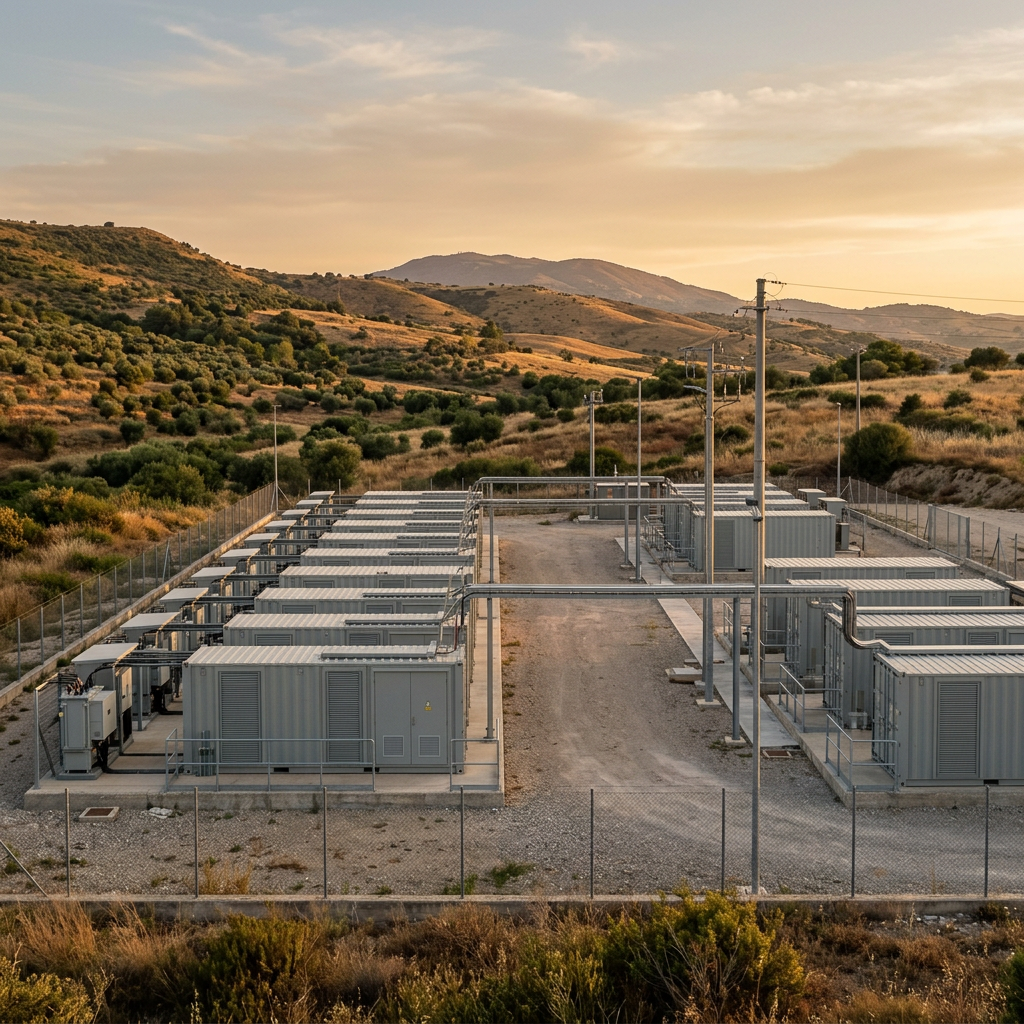
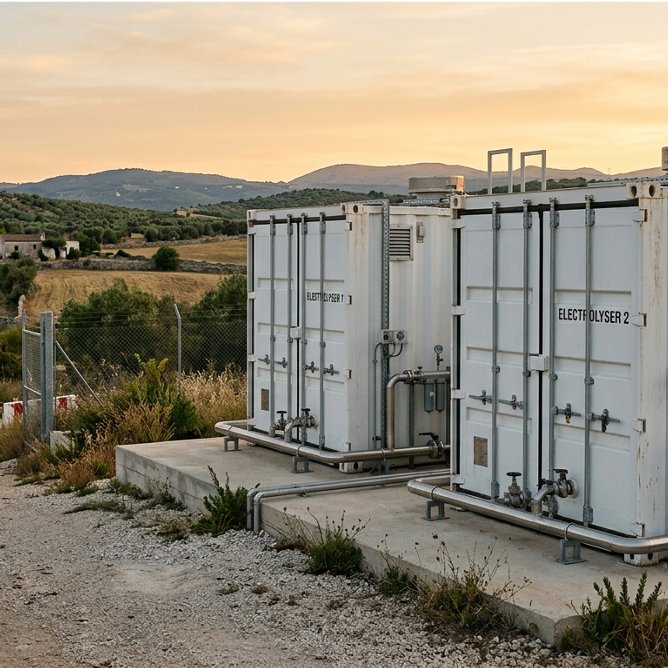
Each Equico module combines four proven components into a standalone hydrogen plant. Built directly at the industrial offtaker site. Standardized for replication across multiple locations in Southern Italy.

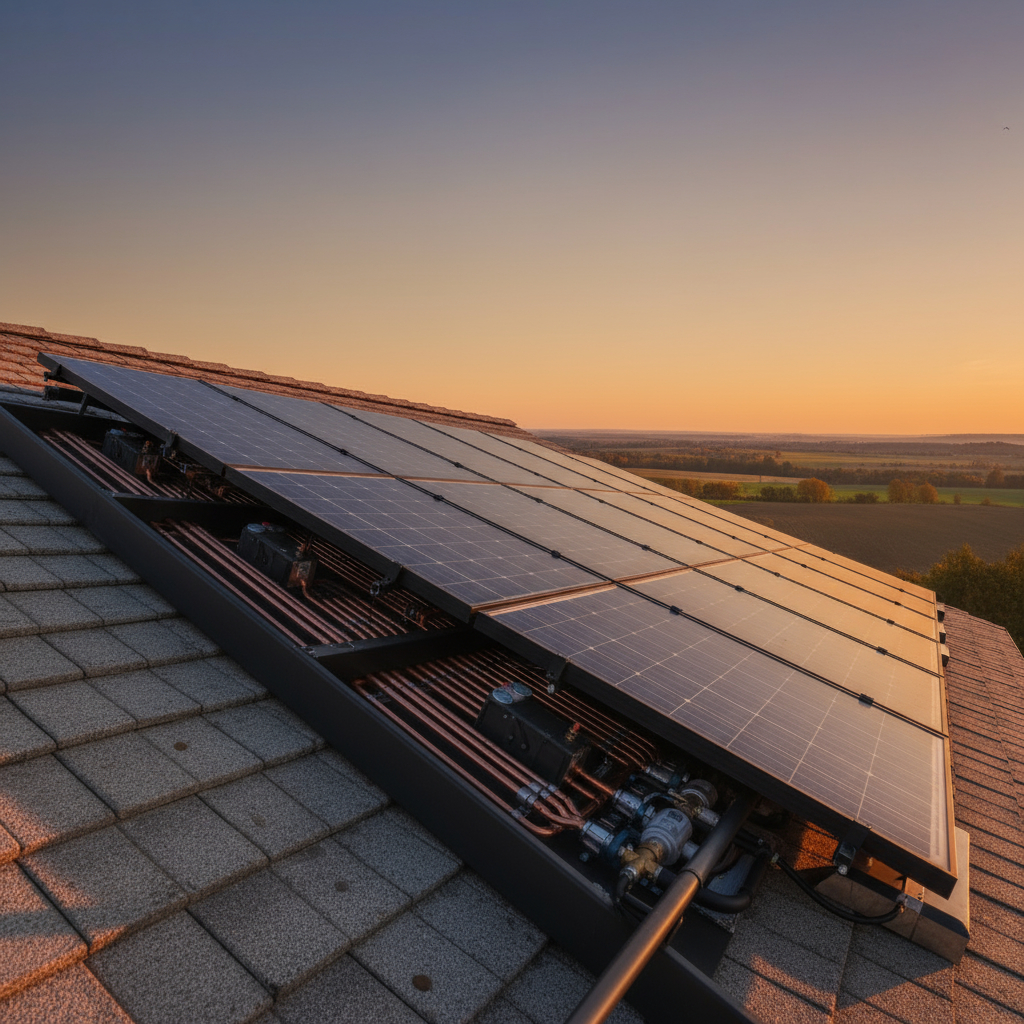
Renewable Inputs
Storage and dispatch

Electrolyser

Industrial offtaker

Onsite PV plus a long-term wind PPA at €0.058/kWh. Power costs locked in below the viability line for green hydrogen.

20 MWh battery storage onsite. Balances renewable input variability and matches electrolyser load profile for stable hydrogen output.

5 MW capacity, proven components, modular design. Sized to confirmed offtake demand, not to financing targets.

Hydrogen delivered onsite under 10 to 15 year supply contracts. No pipeline tariff, no transport risk, no merchant exposure.

One module: 5 MW  |  534 t/yr H₂  |  100% RFNBO  |  Replicable across multiple sites

[MODULE 1]
Rudiae. Apulia. The first proof.

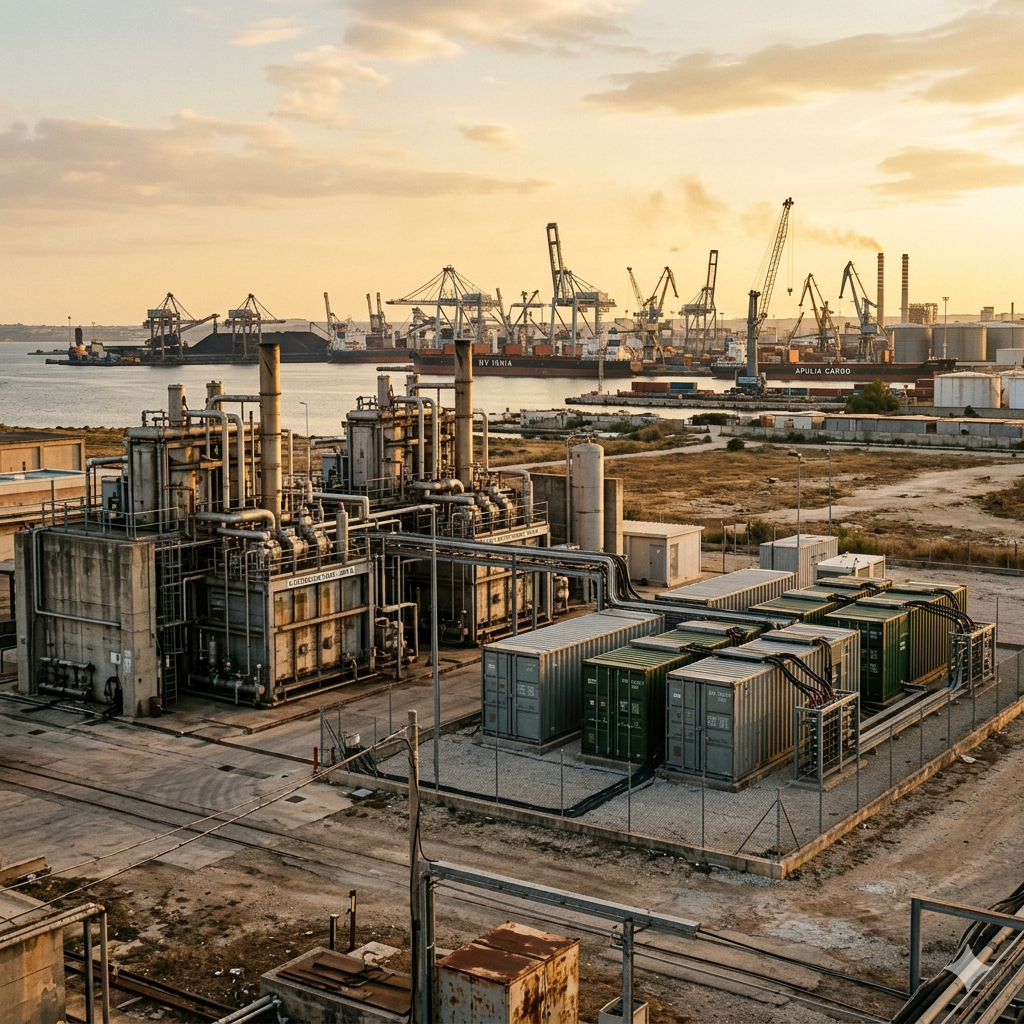
A 5 MW green hydrogen plant in Southern Italy, designed to demonstrate the Equico architecture end-to-end.
FID targeted Q1 2027, first hydrogen production early 2029.

Site A - Lecce

Site B - Taranto

Wind - Northern Apulia

H2 Output

Production start 2029
534 t/yr (100% RFNBO)

9.45 MWp
PV Plant on Greenfield

4.0 MWp PV Plant + 20 MWh BESS + 5 MW electrolyser

PPA
7 MW @ €0.058/kWh

[Key metrics]
Numbers that hold up to due diligence.

Base case modeled without subsidies. Italian CfD treated as upside.

Equity IRR above WACC 8.0%
8.9%
Min DSCR above bank threshold 1.30×
1.87x
Project Liftetime
20y

Senior debt 60% with SACE Garanzia Verde. Equity NPV positive at +CHF 0.82M.

[MEET THE TEAM]
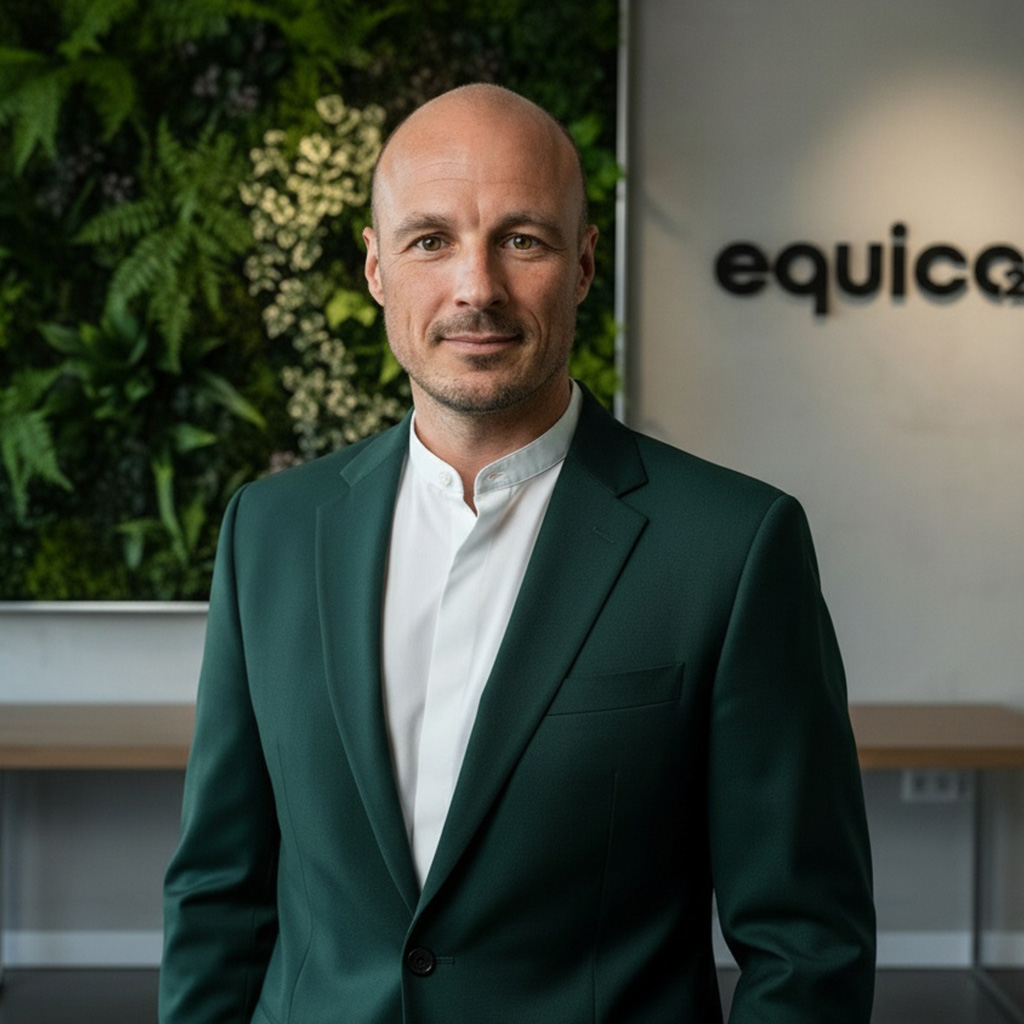
The faces behind equico₂
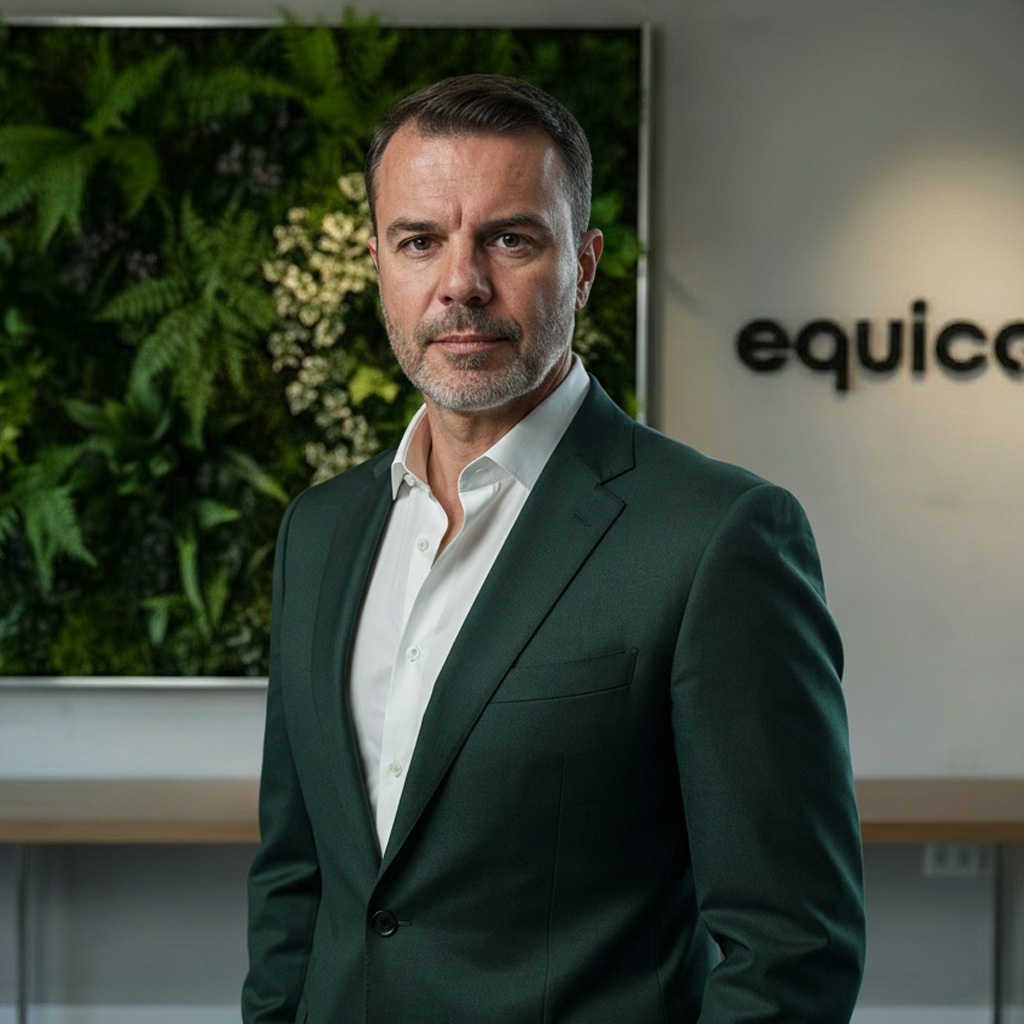
CEO & Founder
Fabrizio Turdo
Experienced CEO and founder with leadership roles as Chairman of the Board and Managing Partner in various technology and consulting companies. Expertise in strategic corporate management and international business development.
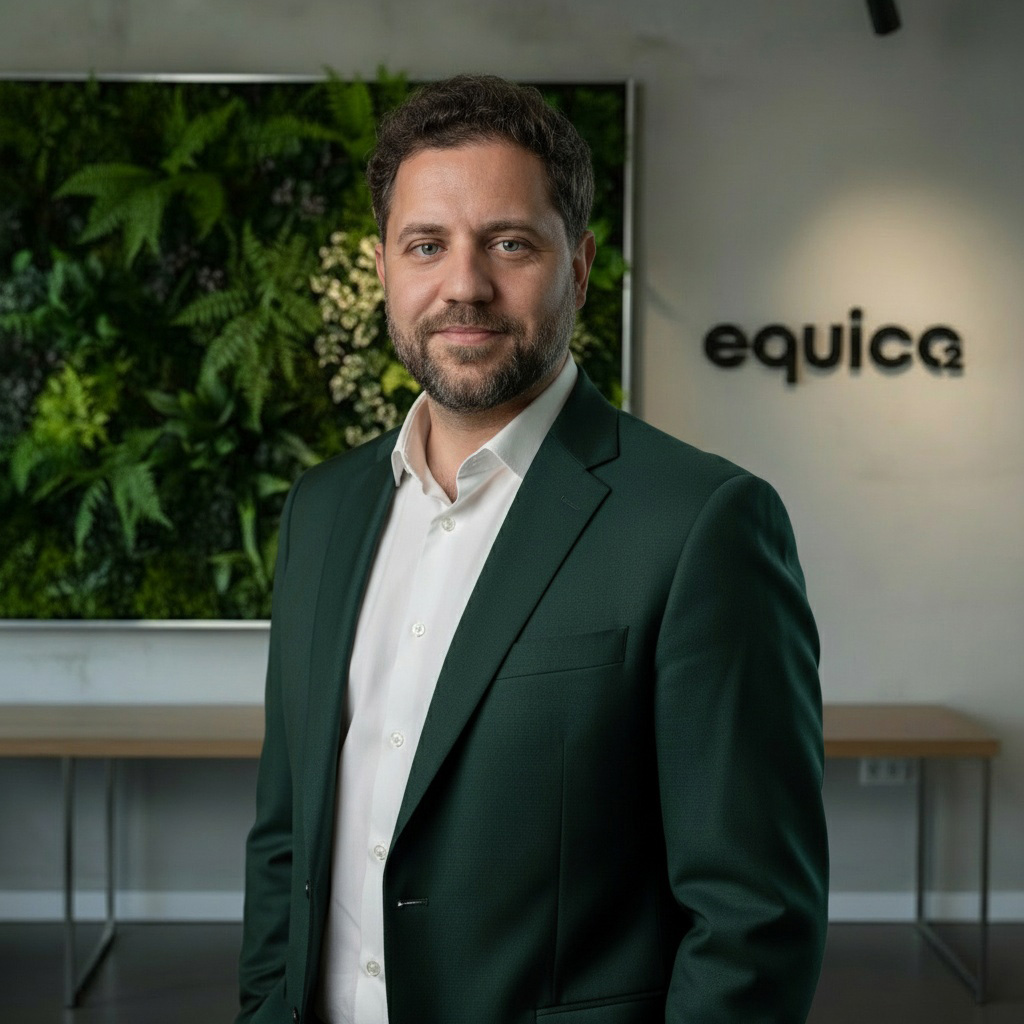
CFO & Co-founder
Lars Borchardt
Experienced finance and strategy expert with over 15 years of expertise in corporate finance and real estate financing. Management experience in various financial companies with a focus on sustainable investment strategies and project development.
COO & Co-Founder
Dario De Lucia
Serial entrepreneur with a proven track record in scaling online businesses to 8-figure revenues. Leadership experience in various tech companies with a focus on growth strategy and operational implementation.
[our purpose]

Building infrastructure that lasts.

Green hydrogen needs to work as a business before it works as a transition. Equico builds plants that are bankable today, replicable tomorrow, and aligned with what industrial Europe actually needs. Slow. Disciplined. Real.
Why green hydrogen in Southern Italy?
arrow up
Apulia combines high renewable resource quality
(>1,700 PV full-load hours, strong wind), confirmed industrial offtake demand (steel, chemicals, refining), and EU policy support under RED III.

The local cost of wind power below €0.058/kWh makes green hydrogen production economically viable without subsidies, a condition most European projects cannot meet.
What is the investment thesis for Equico?
arrow up
Equico is infrastructure equity, not venture.

Each module is a standalone SPV with project finance, long-term offtake contracts, and 60% senior debt backed by SACE Garanzia Verde.

Returns come from contracted hydrogen revenues
over 15–20 years, not from market hype.

Investors enter at the holding level (Equico AG) and participate in the platform across multiple modules.
How does Equico differ from other hydrogen developers?
arrow up
Most European projects were sized to match policy targets; Equico starts from confirmed offtaker demand.

Most projects priced power at unrealistic levels; Equico contracts wind below the viability line.

Most projects scaled to utility size in one step; Equico starts at 5 MW with proven components, designed for replication.

The result: bankable today, replicable tomorrow.
What is the timeline and use of funds?
arrow up
Module 1 (Rudiae): FID Q1 2027, first hydrogen production early 2029.

Phase 1 capital raise (CHF 600k across four tranches in 2026) funds development through bankability: permitting, offtake LOI, senior debt term sheet.

Subsequent equity (CHF 6.8M infrastructure sponsor) and senior debt (~16.5M CHF, SACE-backed) close at FID.
Why a Swiss holding for an Italian project?
arrow up
The Swiss holding (Equico AG) provides legal stability, tax efficiency through participation exemption, and acceptability for international investors.

The Italian operating company (IT HoldCo) holds the SPV that develops and operates the plant. This double-holding structure is standard for cross-border infrastructure projects and meets lender requirements for project finance.
What happens if Italian CfD subsidies don't materialize?
arrow up
The base case is modeled without subsidies and remains bankable (Equity IRR 8.9%, DSCR 1.87x).

The Italian CfD scheme, approved by the EU Commission in March 2026, is treated as upside only. If subsidies materialize, returns improve significantly.

If not, the project still delivers infrastructure-grade returns through long-term H₂ supply contracts.
[Help & contact]
Frequently asked questions
If you cannot find your question here, we are always happy to help. Contact us to discuss your requirements, explore possibilities, or clarify how we work.
arrow rightarrow right
contact us now
} } } }) } } ] })